Same Care, Somewhere
Or Maybe Not
It's Functional Neurologic Disorder (FND) to You
Today's post relates to the Mission and Vision of the Society:
The Mission of the SMAC is to make medical knowledge genuinely accessible, not by simplifying it, but by trusting that anyone willing to question deserves a straight answer.
The Vision of the SMAC is to be the resource people turn to, the movement that changes how medicine is shared, the community where the curious find each other, and a force for health literacy that is no longer a privilege of formal training but a foundation everyone can build on.
This post also emphasizes several of the SMAC Values, including intellectual honesty, deliberate accessibility, inclusive rigor, human curiosity, fearless inquiry, and upstream thinking. Please refer to previous posts to review these items.
A trusted EMS colleague shared a social media post yesterday about an often misunderstood medical condition. The Curator has identified a gap in health literacy, specifically among EMS providers.
It began with a visual prompt that you can see below. The Curator had the privilege of caring for a patient with this condition recently, so it is fresh in mind.
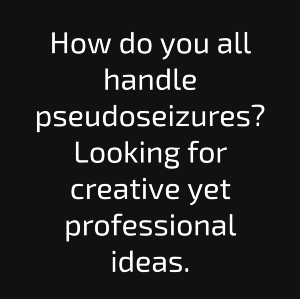
The name of this disorder has changed many times throughout The Curator's career. Name changes were generally triggered by either improved understanding of the condition or efforts to reduce stigma and bias. What was originally known as pseudo seizures then became Psychogenic Nonepileptic Seizures (PNES). The medical community officially began transitioning away from "pseudoseizure" in the late 1990s and early 2000s, largely finalizing this shift by 2011. The change occurred because the word "pseudo" implies falsehood, which incorrectly suggested to patients and some healthcare providers that the seizures were being faked.
The name was then changed to Psychogenic Nonepileptic Attack (PNAS). Some suggest that the name change was to differentiate this disorder from a true seizure disorder, and others suggest that the acronym PNES was less than appropriate. The medical community is now moving towards Functional/Dissociative Seizures (FDS) to reduce stigma, which is a form of Functional Neurological Disorder (FND).
FNDs are neurological conditions caused by changes in how brain networks function, not by changes in the brain's structure. Here's the key: the physical symptoms are GENUINE.
Risk Factors for functional neurologic disorders include:
- Trauma History: A history of physical, sexual, or severe emotional abuse is one of the most prominent risk factors.
- Psychiatric Comorbidities: High rates of co-occurring depression, generalized anxiety, PTSD, or dissociative disorders are common.
- Unprocessed Stress: An inability to consciously process or regulate intense emotional distress, causing the body to physically "convert" the mental tension into seizures.
- Recent Stressors: Major, recent life events like a demanding job, relationship breakups, or the loss of a loved one can trigger the onset.
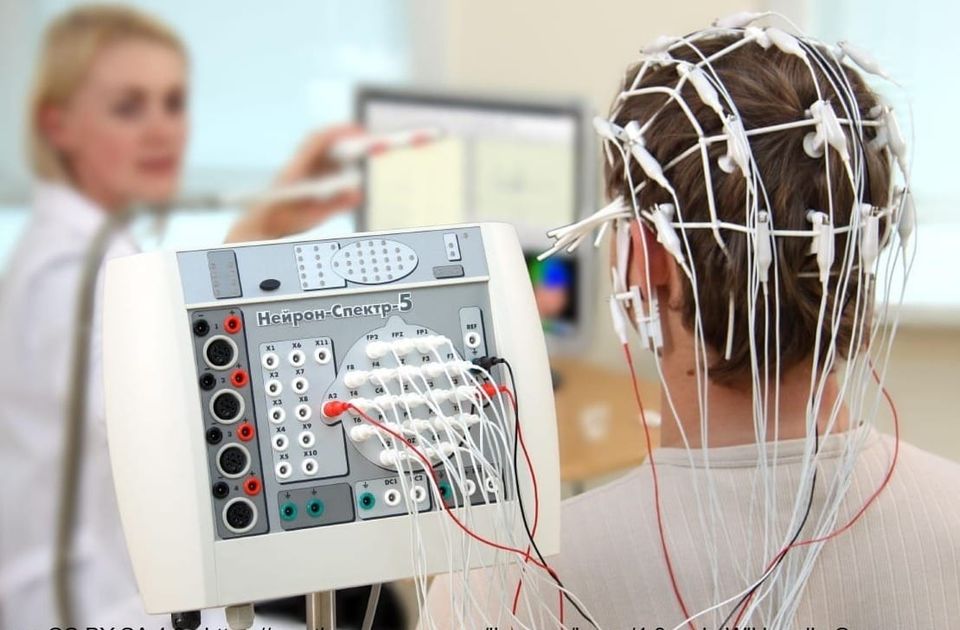
Please note that an EEG and a thorough neurologic evaluation are required to make this diagnosis. Although fully capable of performing a thorough neurologic evaluation and somewhat capable of interpreting an EEG, The Curator does not possess an EEG machine to carry to the patient's side. Even with a history of PNES, it can be a mixed picture, as some patients have both PNES and a seizure disorder.
Emergency care on scene thus relies on good history and physical diagnosis skills. If you are able to accurately ascertain that there is a history of this disorder, then directing your care towards supportive care and empathy may be appropriate. If you are not able to do so, then treatment focused on the management of a seizure remains appropriate. As always, refer to and follow your local protocols or contact medical control for further direction.
Returning to the Social Media Post
The comments that follow are shameful. The number of comments that continue to propagate the ignorance that surrounds this disorder is mortifying. Let's refer to the risk factors listed above, and let's reflect on the work done by Emergency Medical Services (EMS) providers on a daily basis. That work involves trauma and stressors, and EMS providers often discuss the depression, anxiety, and PTSD related to the work. EMS providers themselves are at significant risk of developing functional neurologic disorder.
Having sympathy, i.e., feeling compassion, for our patients is a core tenet of providing medical care. Empathy is the ability to step into someone else's shoes and actively share their experience because you have a similar personal experience. Thank you to those social media contributors who have commented on the association with psychological trauma. For all the talk that goes on about the psychological trauma experienced by EMS providers, I would hope that we, as a profession, could be empathic to this diagnosis.
For those who continue to propagate nonsense about this diagnosis, we are sad for the patients that you care for.
Note: The Curator opted to use the word "EMS provider" rather than "EMS professional" because words matter, and many, if not most, of the comments on the social media post are far from professional.
References:
https://www.ninds.nih.gov/health-information/disorders/functional-neurologic-disorder
 Index by author