
Vaccine Preventable Disease
Essential Information
The Society believes that vaccines are essential, full-stop. We also believe that far too much time has been spent on propagating misinformation about the vaccines, and the critical information about the diseases and their effects has been lost to history and doublespeak.
To understand Vaccine-Preventable Diseases (VPDs), it's helpful to have background information and definitions. This post will set the stage for the ones that follow, each spotlighting a different VPD.
🫀 Organ-ized Chaos: The Microbiology of Disease
A disease is an abnormal condition that impairs normal bodily functions. It is usually characterized by identifiable symptoms and physical signs and can be caused by external factors, such as pathogens, or internal factors, such as genetics or organ failure.
A pathogen is any infectious agent or organism that causes disease. There are five types of pathogens.
Viruses are tiny infectious agents consisting of genetic material enclosed in a protein coat. They cannot reproduce on their own and must utilize a host's living cells to replicate. Common examples include influenza (flu), SARS-CoV-2 (COVID-19), and norovirus.
Bacteria are single-celled microorganisms that can reproduce rapidly. They can cause illness by directly damaging tissues or by releasing toxins that cause damage. Common examples include Group A Streptococcus and Methicillin-Resistant Staphylococcus aureus (MRSA).
Fungi are multicellular or single-celled organisms that include yeasts, molds, and mushrooms, and they typically cause disease by feeding on living tissue or decomposing matter. They frequently affect the skin and nails, with common examples including ringworm (tinea corporis), athlete's foot (tinea pedis), and yeast infections (Candida).
Parasites are organisms that live on or inside a host and survive by deriving nutrients at the host's expense. This category includes microscopic protozoa and larger helminths (parasitic worms). Common examples include malaria (Plasmodium), Giardia intestinalis, intestinal worms, and head lice (Pediculus humanus capitis).
Prions are extremely rare, infectious agents composed of abnormally folded proteins. They cause normal proteins in the brain to fold incorrectly, leading to brain damage. An example is Creutzfeldt-Jakob disease (CJD). These are more commonly found in animals and include Bovine Spongiform Encephalopathy (BSE), commonly known as "mad cow disease," Chronic Wasting Disease (CWD) that affects deer, elk, and moose, causing progressive weight loss and neurological issues, and scrapie, which is a transmissible disease affecting sheep and goats, causing them to scrape against fences and objects due to irritation.
🧠 Nobody Taught Us This: Vaccine-Preventable Diseases (VPDs)
VPDs are infectious conditions caused primarily by viruses (e.g., Measles, Polio, Influenza) and bacteria (e.g., Tetanus, Pertussis, Diphtheria). These diseases can be prevented or minimized through immunization.
Vaccines are biological preparations designed to provide immunity against specific infectious diseases. They are one of the most successful public health interventions in history, dramatically reducing global morbidity (the burden of the disease) and mortality (death) rates.
Vaccination is the process of administering a vaccine to train your immune system to recognize and fight off harmful diseases before you come into contact with them.
Immunization is the actual process by which your body becomes immune to a disease following vaccination.
🚑 Same Care Somewhere: Symptoms and Pathology
Clinical manifestations range from mild, self-limiting infections to severe, life-threatening complications. Common systemic symptoms include fever and fatigue, combined with localized complications such as rashes (Measles/Chickenpox), paralysis (Polio), or cervical cancer (HPV).
What is often now forgotten is that VPDs can cause severe and sometimes permanent long-term health consequences, ranging from chronic organ damage to neurological disabilities and cancer.
🤔 Actually, Though: Historical Context
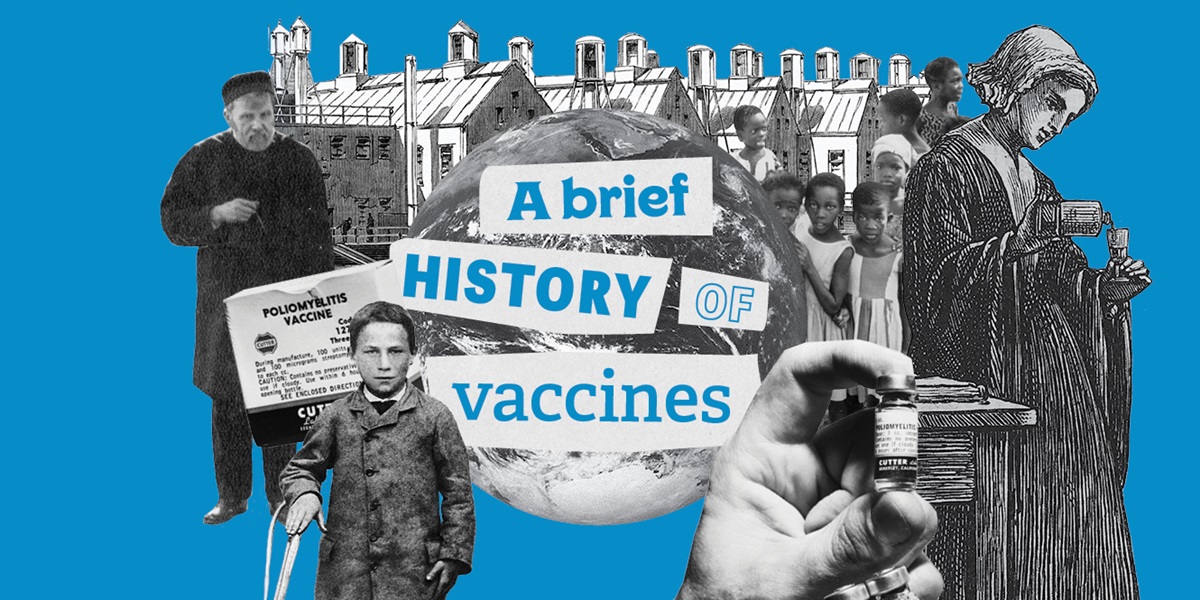
Vaccination began centuries ago with practices such as variolation, in which individuals were exposed to scabs or fluid from smallpox patients to induce immunity. This evolved into modern medicine, with milestones such as Dr. Edward Jenner's 1796 cowpox experiment and the eradication of smallpox by 1980. The 1940s–1950s were the "golden age" of vaccine development, as scientists mastered the cultivation of viruses in laboratories and cell cultures. Jonas Salk’s inactivated polio vaccine. This is a great resource about the history of vaccines from the World Health Organization:

💡 Facts Aren't Enough: Population Health
Immunization protects not only the vaccinated individual but also vulnerable community members who cannot receive vaccines. This critical concept is known as herd immunity. When vaccination rates are high, the chain of transmission is broken, preventing widespread outbreaks.
Measles can cause permanent blindness or hearing loss. Human papillomavirus can progress to cervical, anal, head/neck, and other cancers. Hepatitis B can cause cirrhosis, liver failure, and even liver cancer. Polio can cause permanent paralysis, muscle atrophy, and Post-Polio Syndrome, which causes new muscle weakness decades after the initial illness. Survivors of Hib or pneumococcal meningitis face high risks of long-term brain damage, learning disabilities, and permanent hearing loss. If a pregnant woman contracts Rubella (German Measles), it can cause Congenital Rubella Syndrome (CRS) in babies, leading to severe birth defects like heart disease, cataracts, and intellectual disabilities.
⚠️ Definitely Not Medical Advice-Vaccine Information
Types of Vaccines
These vaccines use dead pathogens to trigger immunity and may require routine boosters for long-term protection. Examples include the Hepatitis A vaccine, injectable polio vaccine, injectable influenza vaccine, and rabies vaccine.
These vaccines use weakened live viruses or inactivated viruses to produce a strong, long-lasting immune response. They are not suitable for use by people with weakened immune systems, and they require refrigeration, which poses difficulties in some areas. Examples include measles, mumps, rubella (MMR), rotavirus, chickenpox, and yellow fever.
These vaccines use synthetic mRNA to make proteins that trigger an immune response. They are faster to manufacture and carry no risk of causing the disease because they do not contain a live virus. Routine booster vaccination may be required for long-term protection. Examples include COVID-19 and respiratory syncytial virus (RSV).
These vaccines include only the components (antigens) that best stimulate the immune system. This design can make vaccines safer and easier to produce, but it often requires adjuvants to elicit a strong protective immune response, as antigens alone are insufficient to induce adequate long-term immunity. Examples include some forms of the Haemophilus influenzae type b (Hib) vaccine and the original whole-cell whooping cough (Bordetella pertussis) vaccine.
These vaccines are simply a specific type of modern subunit vaccine. They use specific parts of the pathogen (such as an essential protein antigen or a carbohydrate) to elicit a targeted immune response. They are safe for people with weakened immune systems. Routine booster vaccination may be required for long-term protection. Examples include Hepatitis B, Human Papillomavirus (HPV), acellular whooping cough (Bordetella pertussis), some shingles (herpes zoster), some pneumococcal, and some meningococcal vaccines.
These vaccines use an inactivated form of a toxin made by the disease-causing organism to build immunity against its harmful effects. These are sometimes delivered with adjuvants to increase the immune response. Routine booster vaccination may be required for long-term protection. Examples include diphtheria and tetanus vaccines.
These vaccines use a modified virus as a carrier (vector) to deliver instructions for immunity. They have emerged as some of the most versatile and potent platforms in modern vaccinology because they can deliver genetic material encoding target antigens directly into host cells, thereby enabling strong cellular and humoral immune responses, often superior to those of traditional inactivated or subunit vaccines. This has accelerated their application to a wide array of pathogens and disease targets, from well-established threats like HIV and malaria to emerging infections such as Ebola and Zika.
These vaccines link a pathogen’s sugar molecules to a protein carrier, making it easier for the body to recognize and fight the disease. They are particularly beneficial for young children and individuals with weaker immune responses. Examples include HIB, some pneumococcal vaccines, and some meningococcal vaccines.
Vaccine Components
All the ingredients in a vaccine play important roles in ensuring it is safe and effective, and they have been thoroughly tested and are monitored to ensure safety.
- Antigen
- Antigens train our bodies to recognize the germ and respond if exposed in the future. They can be a killed or weakened form of a virus or bacteria, or a part of it, or genetic instructions (RNA or DNA) that tell the cells to make the antigen.
- Adjuvants
- Adjuvants help vaccines work better by boosting our immune response. Adjuvants like aluminium salts have been safely used in vaccines, helping them provide better and longer-lasting protection.
- Preservatives
- Preservatives help keep vaccines safe and effective by preventing contamination from germs that can grow in vaccine vials. One example is thiomersal, which has been safely used in some vaccines for decades. It is also a common ingreditent in other medical therapies, such as eye drops and consmetics.
- Stabilizers
- Stabilizers protect vaccines during storage and transport, supporting their safety and efficacy even when exposed to heat, light and other environmental changes. Common stabilizers include sugar and gelatin.
Vaccine ingredients may look unfamiliar when listed on a label, but many of the components used in vaccines occur naturally in the body, the environment, in the food we eat, and in other products that we use regularly.
🔍 Worth Watching, With Receipts: The Current State of Vaccination in the US
Despite proven efficacy and rigorous safety profiles, VPDs face challenges from vaccine hesitancy. Misinformation regarding vaccine safety and ingredients undermines public confidence, often leading to localized outbreaks and resurgences of previously controlled diseases.
VPD management involves tracking disease burdens and adapting routine immunization schedules to maintain high levels of immunity. Traditionally, the Centers for Disease Control and Prevention has been a leader in continuously monitoring disease status, providing global guidelines, and promoting public health awareness.
US governmental budget cuts have eliminated funding for the National Center for Chronic Disease Prevention and Health Promotion and eliminated the CDC's Global Health Center. The Prevention and Public Health Fund is also slated for elimination.
Organizations like the World Health Organization have now become even more important in protecting health in the US and globally, despite the fact that the United States officially withdrew from the World Health Organization (WHO) in January 2026, ending nearly 78 years of membership. This was initiated by an executive order due to reported concerns about burdensome funding obligations.
✦ The Society's Note
The Department of Health and Human Services (HHS) and the CDC recently reduced the number of universally recommended vaccines from 17 to 11. While essential vaccines (like MMR and polio) remain, six immunizations are no longer routinely recommended for all children but remain available through shared clinical decision-making. Hepatitis A & B, influenza, COVID-19, rotavirus, meningococcus, and respiratory syncytial virus vaccines are no longer mandatory.
As we saw from the recent article by The Emissary, the US military discontinued influenza vaccine requirements and rapidly reversed that stance when an outbreak of influenza ensued with the resultant death of an Airman.
Having cared for an 18-year-old young man dying of Hepatitis B liver cancer, multiple people who died from influenza and influenza-related complications such as pneumonia, children who required lengthy hospitalizations due to dehydration and acute kidney failure due to rotavirus, and multiple infants who required hospital admission and later developed lifelong asthma due to respiratory syncytial virus, The Curator has grave concerns about these vaccine mandate reductions.
The Curator also offers these contagious disease surveillance options as the CDC may now be an unreliable source:




Over the next several weeks, The Society will continue to share information on each individual VPD until we reach the end of the list. We will occasionally break for special updates, such as one this week which is focused on the current Cyclospora outbreak.
Please like, follow, and share our content so others can benefit from evidence-based scientific communication.
Additional References




Antiviral Inactivated Vaccines: Looking to the Past to Face the Future-A Narrative Review.